
by Ryan Neely, Ph.D.
Time Toxicity of Cancer Treatment
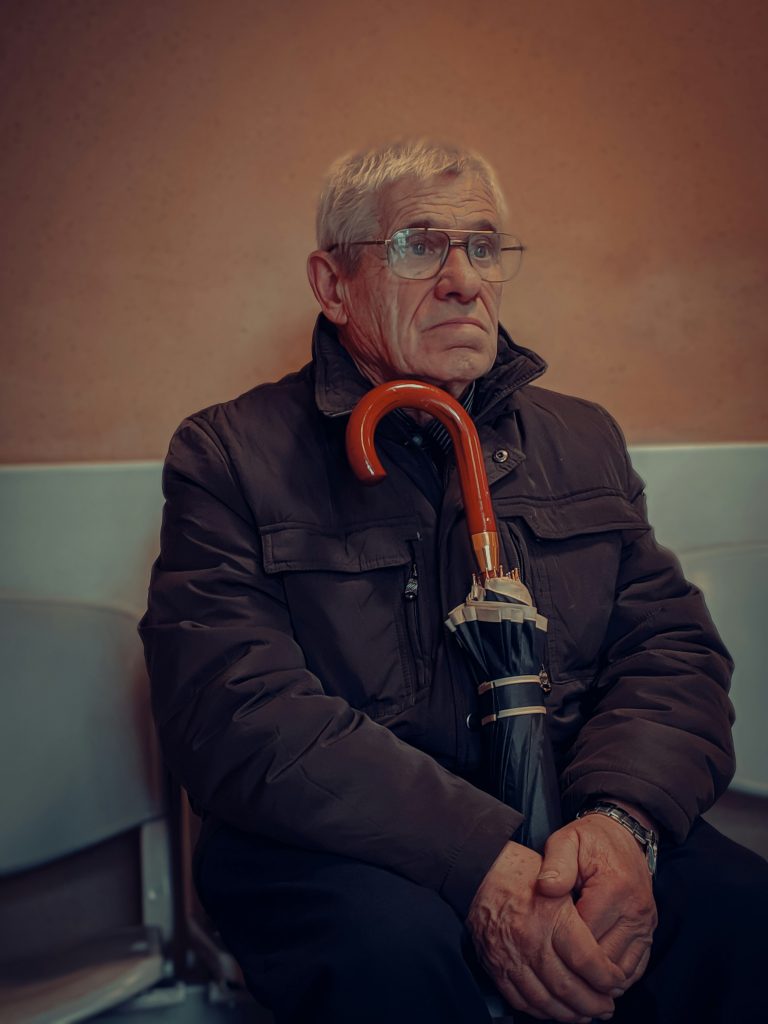
A cancer diagnosis is more than just a health report – the repercussions can be physical, emotional, financial, and social. One of the often under-appreciated realities of the cancer journey is the sheer volume of time it can take to receive and manage care. Treatment often involves appointments ranging from screening to radiation to infusions and follow-ups – patients with solid tumors typically spend 20-25 percent of their days with some form of healthcare contact1. Even “short” appointments can consume entire days for patients and caregivers, something that clinicians may not always recognize2. Dr. Arjun Gupta of the University of Minnesota highlights what he calls the “Time Toxicity” of cancer care – arguing that clinicians should weigh the benefits of a treatment alongside the amount of time that treatment requires of a patient1.
Eliminating Trade-Offs in Care Quality
Clearly, the time burden of cancer care shouldn’t go ignored – but patients also shouldn’t be forced to choose between making the most of their time or receiving optimum care. Many people are unable or unwilling to put their lives on hold to undergo cancer treatment, and we believe that advances in treatment should also seek to eliminate patient burdens in addition to improving health outcomes. Some amount of healthcare contact is inevitable, and often this can be a good thing. For example, medical oncologists are a hub of care for many patients and this relationship can be key to feeling supported through treatment and beyond. However, there are also many facets of care that are simultaneously important but also impersonal and time-consuming. Technology is constantly finding new ways to make our lives more convenient, and we think it’s time for innovation to improve the cancer journey.

Optimizing Heart Health Monitoring for Cancer Patients
At Skribe, we’re taking on part of this challenge by improving the efficacy AND experience of cardiac monitoring during cancer treatment. For many patients, especially those taking anthracyclines or HER2-targeted drugs, regular heart screening in the form of echocardiograms has become a mandatory part of treatment. To protect the long-term heart health of survivors, these screenings are essential: many anti-cancer drugs cause permanent injury to heart cells that can lead to heart failure days, weeks, or years after administration3. However, remaining vigilant for these toxic side effects also creates a burden on patients. A recent study that quantified the total time required for different types of cancer care appointments found that the total time required for an imaging and clinician visit ranged from 3 to over 5 hours4. It’s easy to see how these kinds of appointments can consume large chunks of patients’ days, and how the time adds up over the many screening appointments required by certain drugs.
A Step Forward
With the initiation of our NOECHO clinical trial this month, we’ve taken the first step to changing how cardiac health is monitored during cancer treatment. We’re leveraging the latest in sensing, wireless power, and deep learning to detect cardiotoxic events earlier and without frequent clinical visits. Our goal is to make heart screening more effective while also being simpler for patients and providers. Cancer care can be a long, exhausting journey, but we see an opportunity to improve part of that journey and make sure patients have one less thing to worry about.
References:
1.Gupta A , O’Callaghan CJ , Zhu L , et al. . Evaluating the time toxicity of cancer treatment in the CCTG CO.17 trial. JCO Oncol Pract. 2023 ;19 (6 ):e859 -e866 . https://doi.org/10.1200/OP.22.00737
2.Gupta A, Eisenhauer EA, Booth CM. The time toxicity of cancer treatment. J Clin Oncol 2022;40 (15):1611-1615. https://doi.org/10.1200/JCO.21.02810
3. Curigliano, G., Cardinale, D., Dent, S., Criscitiello, C., Aseyev, O., Lenihan, D. and Cipolla, C.M. (2016), Cardiotoxicity of anticancer treatments: Epidemiology, detection, and management. CA: A Cancer Journal for Clinicians, 66: 309-325. https://doi.org/10.3322/caac.21341
4. Sana Kagalwalla, Alexander K Tsai, Manju George, Anna Waldock, Sydney Davis, Patricia Jewett, Rachel I Vogel, Ishani Ganguli, Christopher Booth, Stacie B Dusetzina, Gabrielle B Rocque, Anne H Blaes, Arjun Gupta, Consuming Patients’ Days: Time Spent on Ambulatory Appointments by People With Cancer, The Oncologist, Volume 29, Issue 5, May 2024, Pages 400–406, https://doi.org/10.1093/oncolo/oyae016
Leave a Reply