
Instant Heart Screening for Uniterrupted
Cancer Care

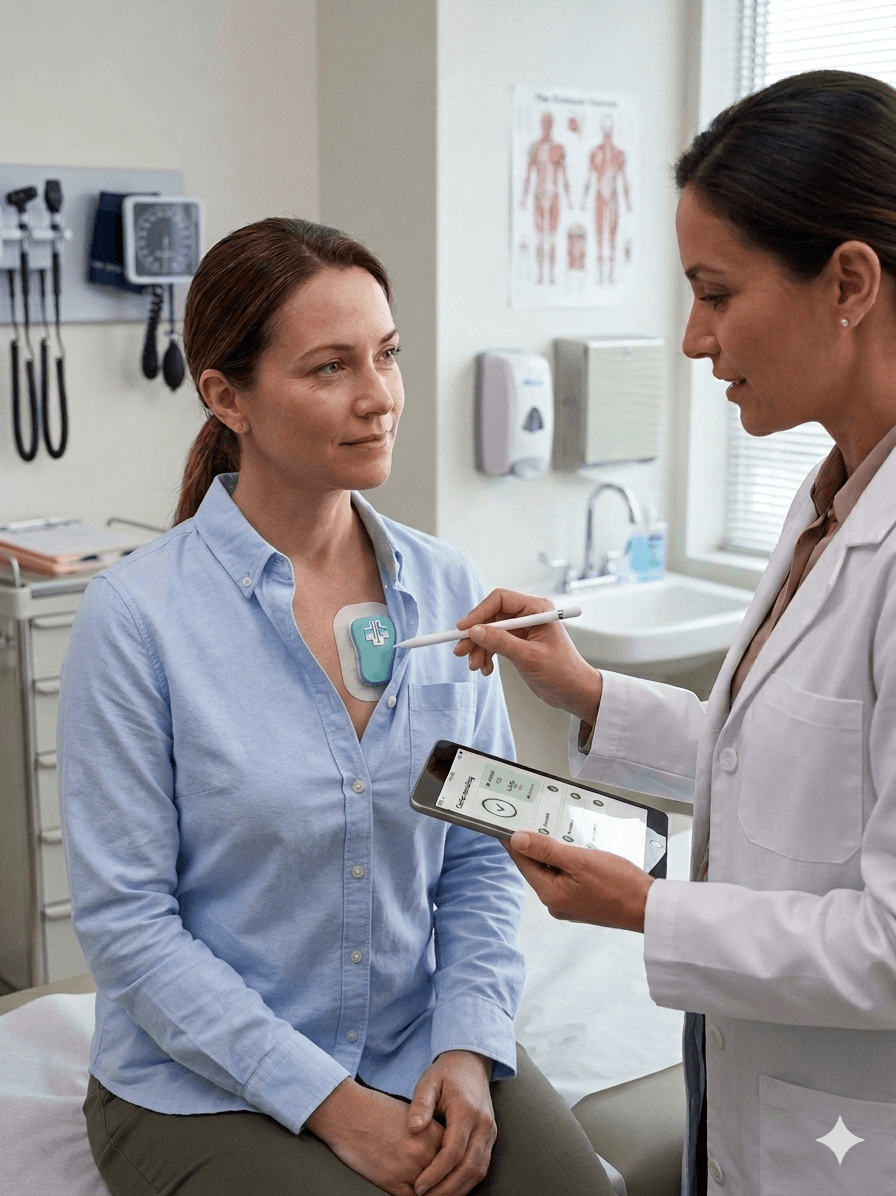
Skribe is a wearable cardio-oncology platform designed to assess cardiac function – beginning with LVEF – in minutes, helping oncologists screen for cardiotoxicity and keep life-saving treatments on schedule

Confidence to Continue the Cure

Delays in cancer treatment can be the difference between life and death, but
side effects can be deadly too – especially when they involve the heart.

For many patients, heart screening is an essential part of cancer treatment, but imaging bottlenecks, referral delays, and unanswered cardiac questions regularly force oncologists to delay care.

Skribe empowers oncologists with the ability to assess cardiac function, beginning with LVEF, in minutes in the clinic or at home.

Clear Clinical Value

Fewer Delays

Evaluate LVEF in minutes at the point of care.
Avoiding delays reduces 5-year mortality by 25%1

Early Detection

Accessible screening may help detect early signs of cardiotoxicity.
With early detection, heart function normalizes in 83% of cases2

A New Vision for
Wearable Sensing

What if protecting the heart was as easy as putting on a patch?

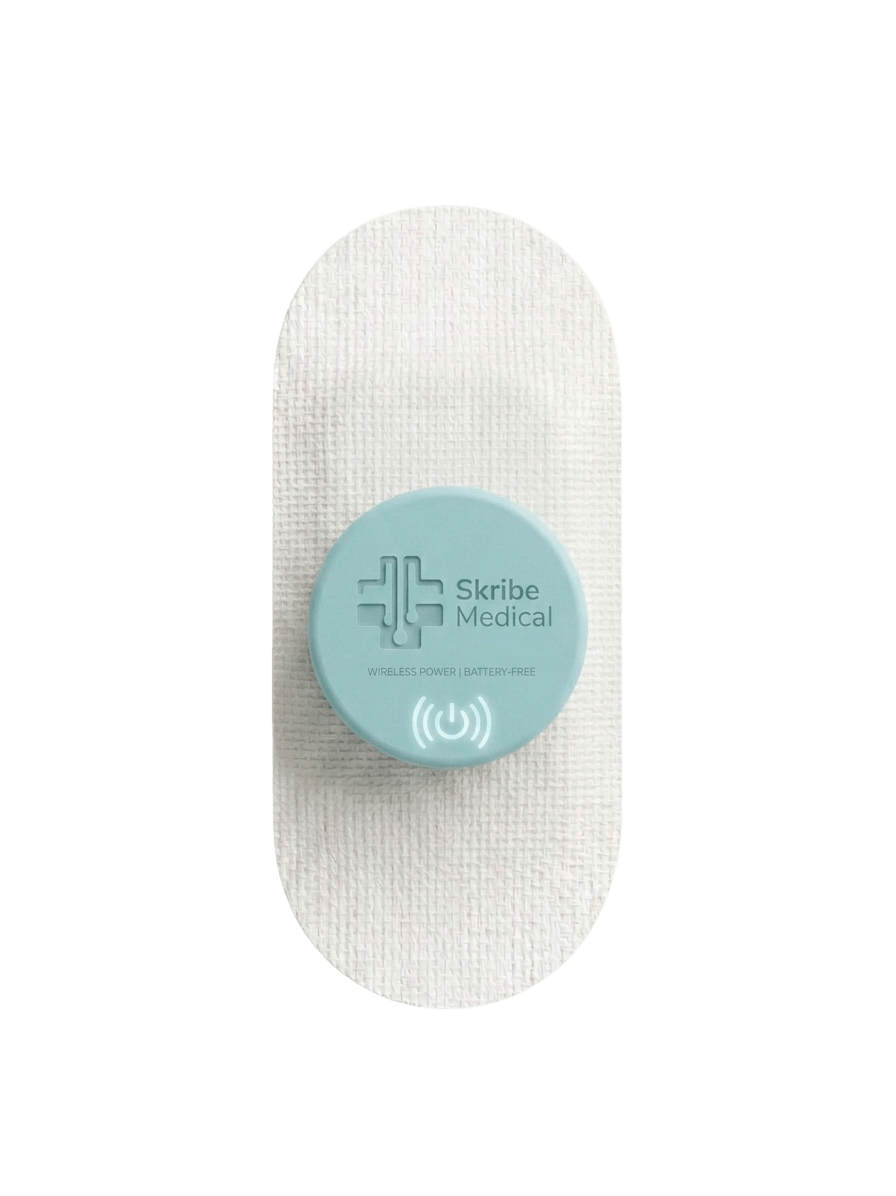
Skribe’s Resonant Body Power system enables a battery-free sensor design for maximum comfort – without sacrificing clinical accuracy.

Battery-Free Technology

Resonant Body Power allows Skribe’s patch to harvest energy from a smartwatch, eliminating bulk and discomfort.
Clinical-Grade Signals

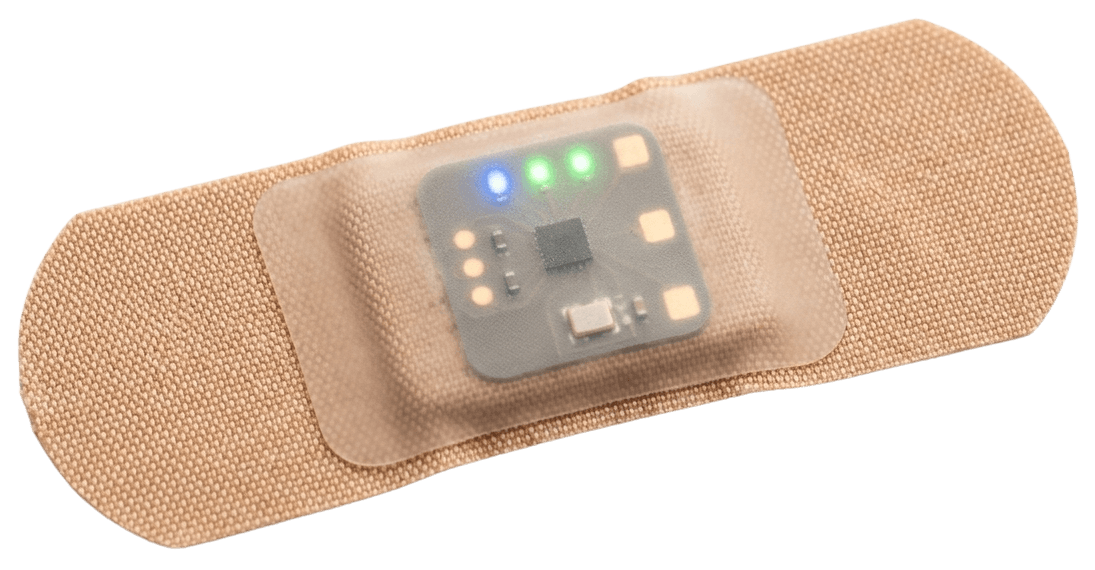
With its minimal, flexible form factor, the Skribe patch can be placed
where health signals are strongest, elminating the tradeoff between comfort and data quality.

Clinical Utility Is Our Foundation

Skribe is focused on giving doctors actionable insights to streamline patient care - not mountains of hard-to-interpret data


Supporting Safer Trials,
Not Just Safer Care

The same technology designed to help keep cancer care on schedule may also support cardiac safety monitoring in oncology trials.

Skribe enables fast, participant-friendly cardiac assessments that may

help sponsors detect cardiotoxicity signals earlier and collect richer

physiologic datasets.

Contact us

Questions? Comments? Get in touch